ADU Rules in Washington: What Your City Will Actually Approve
Published January 8, 2026
Accessory dwelling unit rules change block to block — setbacks, height, parking, and owner-occupancy all vary. Here's how to know what's buildable before you draw it.
An accessory dwelling unit (ADU) is the smartest square footage you can add — rental income, room for family, or a home office in the backyard. But ADU rules in Washington are a moving target, and what one city waves through, the next one blocks. Here's what actually governs your project.
Attached vs. detached (DADU)
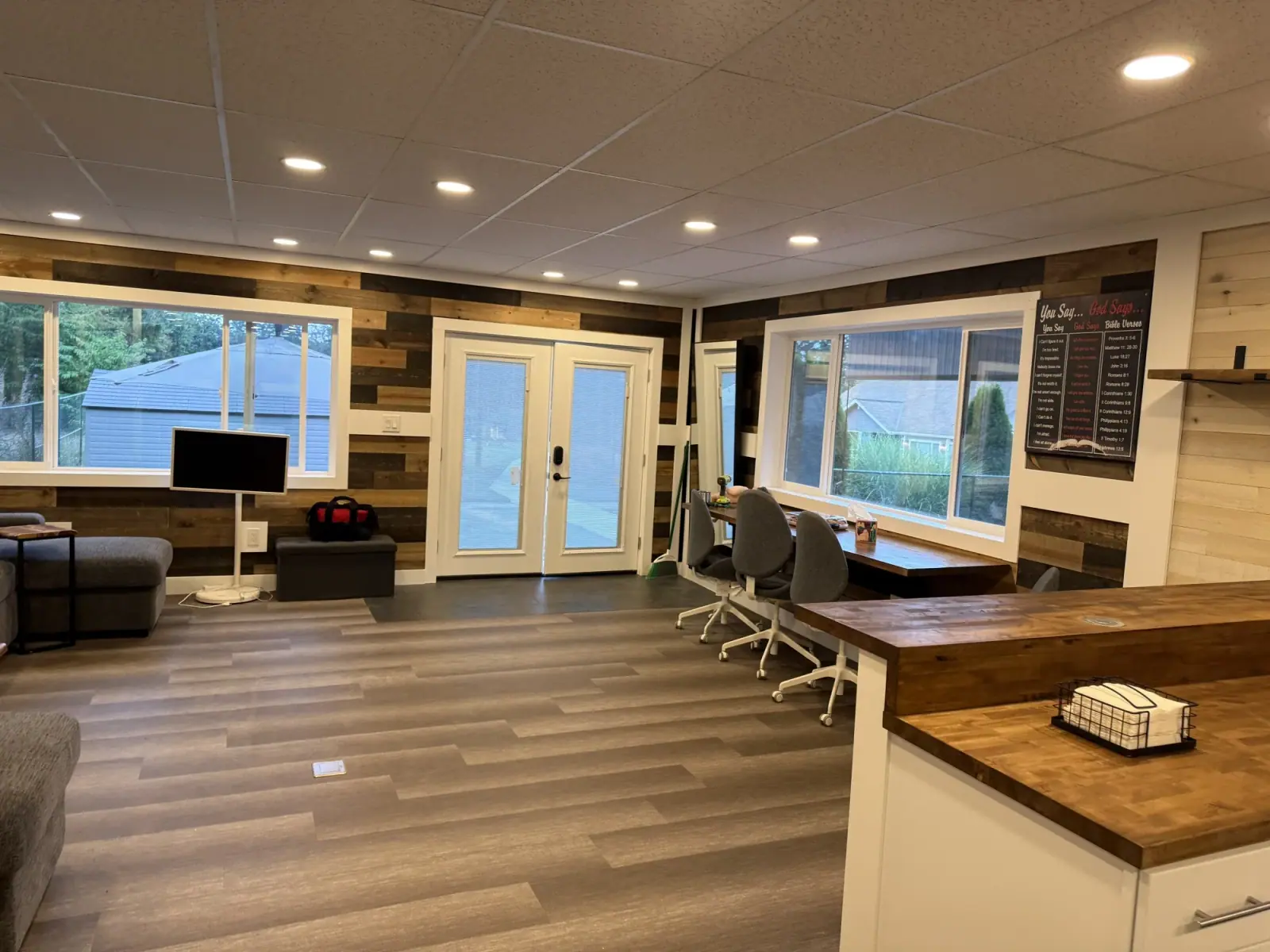
An attached ADU shares a wall with your home and is usually cheaper to build because it can tap existing utilities. A detached ADU (DADU) is a standalone structure — more privacy, stronger rental appeal, and often higher value, but with its own foundation and utility runs.
The four rules that decide feasibility
Before design, we check four things with your jurisdiction: maximum size (often tied to lot size or a hard square-foot cap), height and setbacks (how tall and how close to property lines), parking requirements (some cities have dropped these, others haven't), and owner-occupancy rules (whether you must live on-site).
Why in-house design matters here
Because we produce plans and handle permitting ourselves, we know what your city will approve before we draw it. That avoids the classic ADU trap: paying a designer for a plan the city then rejects on setbacks or height.
Thinking about an ADU? Our ADU and garage builds run from design through permits and construction, in Federal Way, King County and east to Spokane. Start with a planning-level ADU price for your ZIP code, then we'll tell you honestly what your lot and city allow on a free advice visit — no obligation.
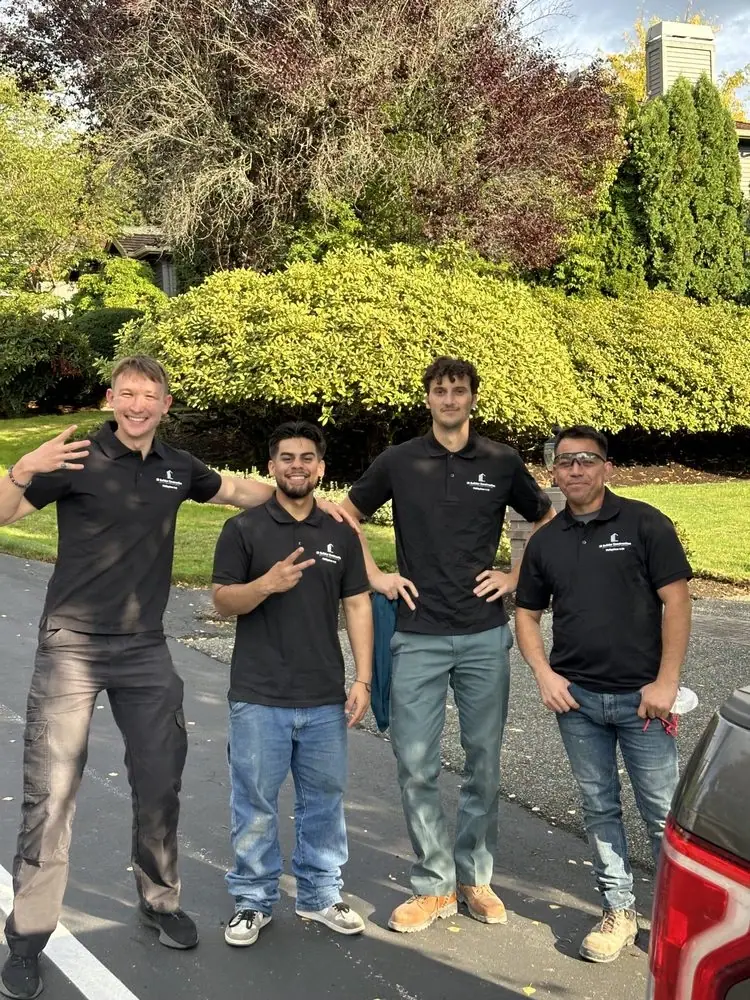
Sebastian Suciu, founder of ID Builder Construction. Third-generation builder, licensed in Washington, Idaho, Montana and Arizona.
Book your free professional advice visit
Free estimate. Free 3D design model. Free on-site advice from the builder who prices the job. No obligation.